Homediet, health and wellness, Medical Mysteries, Medical News, Product Reviews, Skin Cancer, Skincare, Sunscreen
What Vitamins Can You Take to Reduce Skin Cancer?
 Dr Sharad
December 13, 2025
Dr Sharad
December 13, 2025
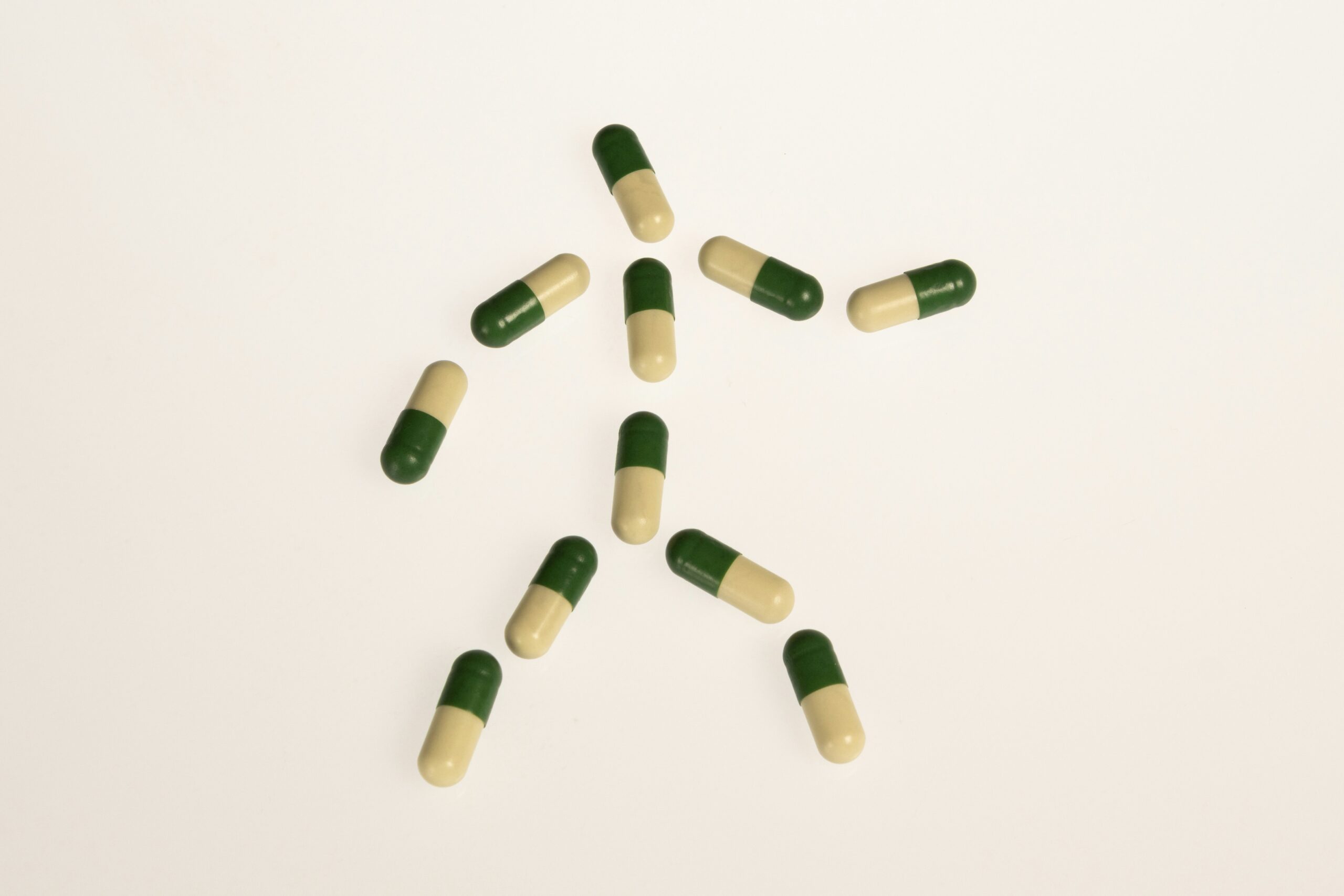
The taking of various supplements—derived from plant or animal—is as old as mankind itself. The ancient Greeks had cures for everything. Earwax, taken from the sufferer of the ailment—but for more efficacy, some texts suggested that the earwax must be extracted from the ear of a freshly executed person! —and applied to treat human bites, was also supposed to cure scorpion stings and snakebites.
“The bite of a human being is considered to be a most serious one. It is treated with ear wax, and (let no one be surprised) this, if applied locally at once, is also good for the stings of scorpions and for the bites of serpents, being more efficacious if taken from the ears of the sufferer.”
~ Pliny, The Elder. Natural History. Book XXVIII, VIII
Pliny also suggested that the hair of adult men, applied with vinegar, was good for dog bites, and burnt hair was good to treat skin carcinomas (please don’t try this at home). Therefore the narrative of folk remedies, vitamins and supplements when it comes to preventing or treating disease is familiar—but one needs to make advice evidence-based while keeping in step with emerging insights and technology. These days people “do their own research” aided by the internet, social media and artificial intelligence (AI) tools such as ChatGPT. As a doctor—unlike some colleagues I speak to—I don’t mind this because keen and somewhat knowledgeable patients are always more invested in their own health. My job as a skin cancer doctor and physician-scientist is to sift through the evidence and try to help people figure out which products are worth taking.
During a recent consultation, a patient mentioned that his GP had recommended he take niacinamide (vitamin B3) daily to prevent skin cancer while wondering why I had not suggested it. In his case, it was because he was on medications for heart and kidney disease, and niacinamide could worsen things. In another patient’s case, he had already had several skin cancers. So I thought I would dissect out the evidence regarding niacinamide and skin cancer prevention.
About 10 years ago, there was a phase 3 (measuring efficacy of a drug) randomised clinical trial (RCT) that looked at niacinamide for reduction of skin cancers. The study involved 386 participants who had had non-melanoma skin cancers in the previous 5 years taking 500 mg of nicotinamide twice daily or placebo for 12 months. After a year of taking the vitamin, actinic keratoses (precancerous lesions) were reduced by 13% and non-melanoma skin cancers by about 20%. This led to a flurry of prescribing by dermatologists and GPs. I found several of my patients did not tolerate the 500mg twice daily dose—and side effects commonly mentioned were diarrhoea, upset stomachs, bruising of skin, headaches and dizziness (all which are known side effects of this vitamin at higher doses like 1000 mg per day).
More recently a larger cohort (not an RCT, the gold standard) study looked at over 30,000 American veterans that had been prescribed niacinamide retrospectively. What they found was that overall there was a 14% reduction in non-melanoma skin cancers. This risk appeared to be much more significantly reduced (50%) if the supplement was taken after the first skin cancer, but the benefits seemed to diminish if someone had already had two or more non-melanoma skin cancers (the most common group I see because people present after several lesions have been managed in the early stages with topical creams or treatments). Surprisingly, higher-risk patients like those on immunosuppressants following organ transplants did not shown an overall significant benefit.
There was a study published in the prestigious Nature journal in 2024 by a group from the Cleveland Clinic looking at risk of major cardiovascular events and niacin (also called vitamin B3) which is a sibling of niacinamide with a slightly different chemical structure. In the body, excess niacinamide (a form of vitamin B3) is metabolized into two primary breakdown products: N1-methyl-2-pyridone-5-carboxamide (2PY) and N1-methyl-4-pyridone-3-carboxamide (4PY). The study concluded that both these breakdown products of vitamin B3, 2PY and 4PY, can increase the risk of cardiovascular disease. However, a more recent cohort study published in the Journal of the American Medical Association (JAMA) suggested that that this risk was not noted for niacinamide, even though niacinamide in high doses does also causes these metabolites to form, albeit to a lesser degree than niacin.
If all this seems confusing, let me try and simply the findings of all studies thus far. Overall, we can conclude:
- Taking niacinamide 500mg twice daily for a year can reduce the risk of non-melanoma skin cancer by around 20 percent.
- The reduction is greater if taken after having only one non-melanoma skin cancer but tails off after someone has had two or more skin cancers. The usefulness also seems to taper off after a year.
- Niacinamide is not without side effects and at this dose of 1000mg per day many may not tolerate it.
- There is also a theoretical risk of increased heart disease after taking niacinamide for an extended period due to the breakdown products when it is metabolised by the body, but that was disproven in one study and the downside is probably greater for those taking niacin or NAD+ supplements.
- If you are on medications for heart disease, have had a stroke or kidney disease, the risks may outweigh the benefits as non-melanoma skin cancers are generally not life threatening.
- The benefits have not been noted for melanoma skin cancer.
When it comes to melanoma, the most dangerous skin cancer, and vitamins, there is a simpler to understand study from Finland that I referred to in my latest book, Biohacking Your Genes (Beyond Words, Imprint of Simon and Schuster). I was recently on a book tour in the UK and was asked to deliver a public lecture at University College London, one of the highest ranked research universities in the UK. I have been on many podcasts and interviews about this book over the past year. Researchers from the University of Finland studied 498 patients who were divided into three groups—based on their skin cancer risk by considering skin colour, medical history, and other factors. The study was well-designed because it had a good representation of the population: ages 21–79 years, 253 males and 245 females, and 96 people on immunosuppressants that we know increase skin cancer risk. People who regularly consumed vitamin D supplements had cut their risk of melanoma by more than half! This effect was not noted for non-melanoma skin cancers, however. So taking vitamin D supplements can reduce your melanoma risk, even if the exact mechanism is unknown.
Supplements like vitamins can be imprecise, and the path to finding out which ones to take is often difficult for the consumer and therefore offers marketers avenues for commercial exploitation. Take too many and you only end up creating rather expensive urine. My philosophy is tailoring supplements to people’s needs and gene types based on available evidence, and most of my book, Biohacking Your Genes, is really about diet and lifestyle i.e., food being our medicine. Vitamins are not a panacea but can be used strategically for troubled dispositions, purposed as tools that act alongside our naturally well-designed metabolic systems. Too often supplements and vitamins are underutilised by doctors. Patients take them anyway. But evidence-based supplements do bargain their way into this scientifically sceptical doctor’s thinking, so I am trying to help you decipher stuff to do with vitamins that you already hear so much about anyway.
THE END
IMPORTANT: This blog is about science-communication, education, interesting science, and new medical research to do with (mostly) health and skin. It is not individual one-on-one medical advice. Please do not stop any medications without consulting your own doctor.
Dr Sharad Paul is the recipient of the Ko Awatea International Excellence Award (awarded by APAC, Asia Pacific’s largest health forum) for ‘Leading Health Improvement on a Global Scale’, for his role in improving skin cancer management, education and patient-centred care internationally.

Written By
Dr Sharad Paul


Dr Sharad Paul is an award winning, world renowned recognised skin-cancer expert and thought-leader.